

Green: harmless
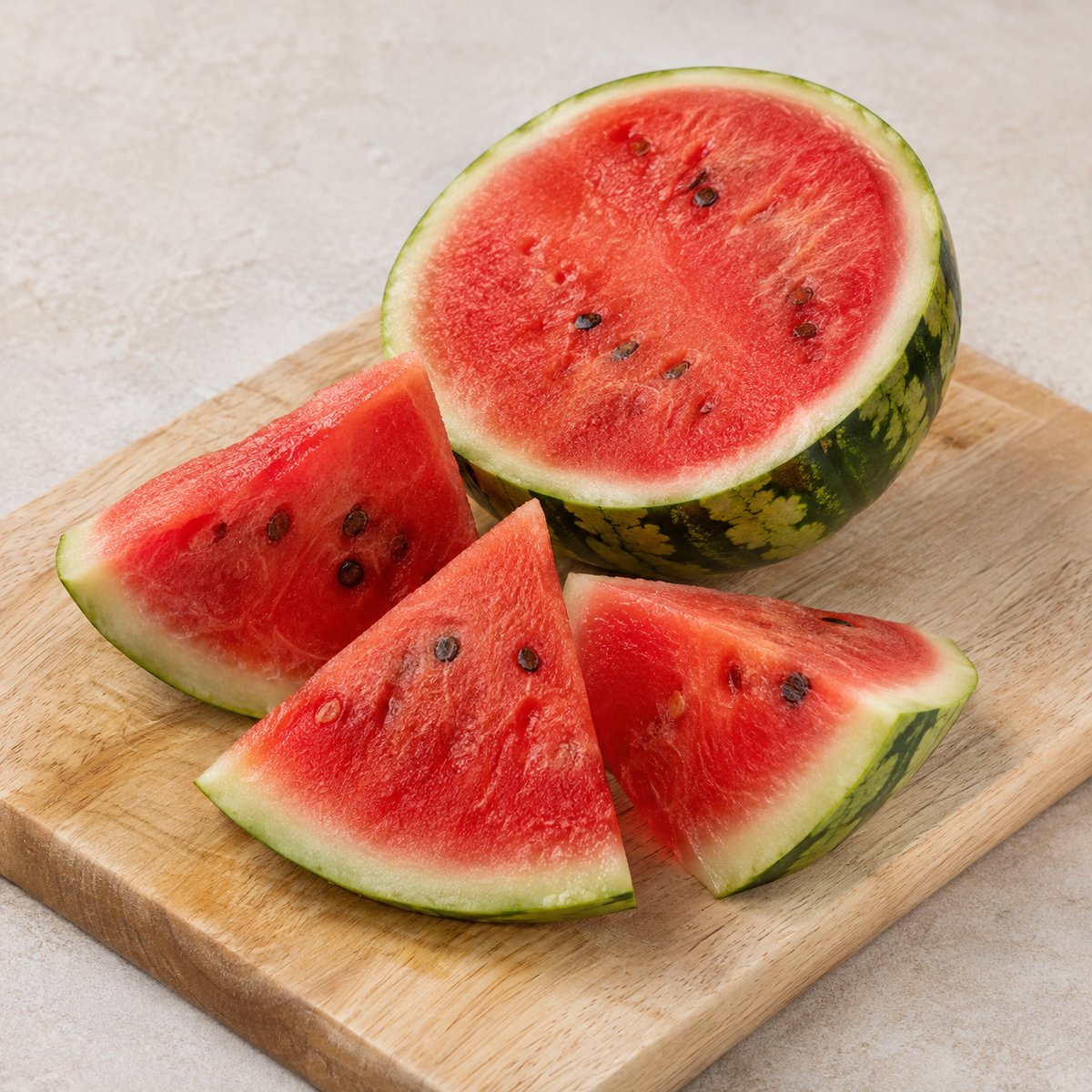
Yes, watermelon is a safe summer treat for healthy horses. Penn State Extension lists watermelon as one of the safe fruits for horses, equine nutritionist Dr. Juliet Getty specifically mentions it and its shell.
Why the traffic light is green
There is nothing in watermelon that is known to be poisonous to horses. The animal portal Chewy, which focuses on the veterinarian Dr. Merle DerVartanian believes the pulp, seeds and peel are safe for most healthy horses. The seeds can come out undigested, but they won't do any harm. The catch is the sugar: According to Chewy, the sweet pulp is not suitable for horses that are sensitive to sugar.
What you should pay attention to
- Wash the bowl: Chewy recommends washing the bowl before feeding. Do this before you cut the melon.
- Small Pieces: Large pieces of shell are a choking risk, especially in horses with bad teeth, according to Chewy. Dr. DerVartanian advises starting with one or two triangles.
- Avoid throat blockages: Large pieces of fruits and vegetables increase the risk of a horse choking, according to Penn State Extension. Cut them into slices or small pieces and put them out of the bucket when your horse eats greedily.
- Quantity: Chewy gives a guideline value for all treats combined, no more than about 1 percent of the daily food amount by weight. For an average horse weighing 600 to 1,100 pounds (around 270 to 500 kg), that's 4 to 8 ounces, or roughly 110 to 230 g, according to the serving chart.
- Sugar-sensitive horses: According to the University of Kentucky, horses with Equine Metabolic Syndrome (EMS) need a strictly limited ration without concentrates, sugary feeds and treats. If your horse has EMS, insulin resistance or has ever had laminitis, ask your vet before every fruit treat.
Interesting for owners of horses sensitive to sugar: Dr. Getty lists watermelon rind as a better choice than apples or carrots for insulin resistance. This does not mean the pulp.
What to do if your horse has eaten watermelon?
If your horse has stolen a few pieces, you usually don't have to do anything. For a whole melon or a horse with EMS or a history of laminitis, call the practice and describe how much it was. According to the Merck Veterinary Manual, signs of throat obstruction include food coming out of the nostrils, excessive salivation and teeth grinding. Then take away the food and water immediately and call the vet.
If poisoning is suspected or if there are signs of colic, go to a veterinarian or emergency veterinary service immediately.
Frequently asked questions
Are horses allowed to eat watermelon seeds? Yes. According to Chewy, the seeds can be excreted undigested, but do no harm.
Can horses eat watermelon rind? Yes, washed and in small pieces. Large pieces of shell can cause choking in horses with bad teeth.
How much watermelon can a horse eat? According to Chewy, all treats together should make up no more than about 1 percent of the daily feed amount. Start with one or two pieces.
Read more
- Can horses eat cucumbers?
- Can horses eat apples?
- What can horses eat? The overview with traffic lights
- Horse weight calculator: How to estimate your horse's weight
- Buying a horse: the checklist
Sources, accessed on 05.11.2026: Penn State Extension, Trick or Treat? Things to Think About When Giving Your Horse a Treat (Danielle Smarsh, Andrea Kocher); EquiMed, Dr. Getty's Tip on Treats: Which are safe and which are not? (Dr. Juliet Getty, Pferdeernährungswissenschaftlerin); Chewy Education, Can Horses Eat Watermelon? (mit tierärztlicher Stimme Dr. Merle DerVartanian); University of Kentucky Cooperative Extension, Equine Metabolic Syndrome: Is My Horse Just Fat or Is He Sick? (Amanda Adams, Fernanda Camargo, ID-239); Merck Veterinary Manual, Disorders of the Esophagus in Horses


